


Red Hot Poker (Kniphofia)
Showing 1 - 7 in 7 items
Red hot pokers (Kniphofia): fiery torches for the summer border
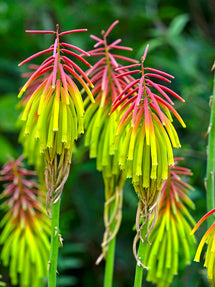
Nothing lights up a sunny border quite like a red hot poker. From fountains of arching, grassy leaves it sends up tall, upright spikes packed with tubular flowers, often glowing hot red or orange at the tip and warming to yellow below, like flaming torches held above the foliage from midsummer into autumn.
Red hot pokers grow from a hardy perennial crown that you plant in spring. They love full sun and sharp drainage, draw bees and butterflies to their nectar rich flowers, and come back in a bigger, bolder clump every year. For the true, two tone classic, Uvaria is the one to start with.
Which red hot poker suits you?
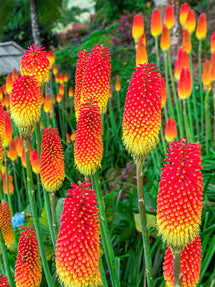
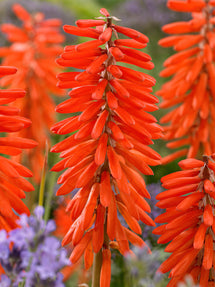
 Fiery redThe classic red hot poker. Uvaria is the true species, its torches glowing coral red at the top and warming to yellow below, while shaggy Rufa Rasta blazes in rich reddish orange. Both are magnets for bees and butterflies.

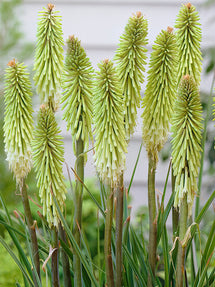
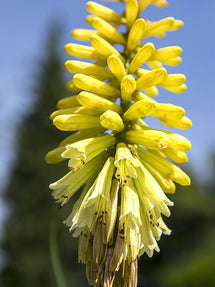
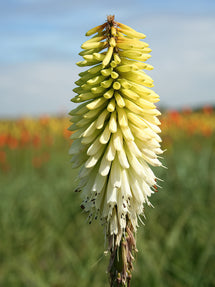
 Green and ivoryThe cool, unusual ones. Green Jade opens jade green buds to creamy white, a real talking point, and the tall, elegant Ice Queen rises to 150 cm in soft lemon and ivory. Both are superb cut flowers.
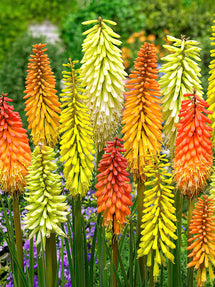
 Breeders MixThe whole fiery range in one planting. The Breeders Mix blends the full spread of poker colours, from red and orange to yellow and cream, for a bold, shifting drift that carries colour right through the summer.
Flowering and the gardening year
Plant the crowns in spring. Different varieties flower from early summer into autumn, so a mix keeps the torches coming over a long season.
Position and soil
Red hot pokers want full sun and, above all, sharp drainage. An open, sunny spot in a soil that never lies cold and wet in winter is exactly right, and they thrive in a hot border, a gravel garden or a breezy coastal position.
Heavy, waterlogged ground is the one real danger, as it rots the fleshy crown over winter. On clay, work in plenty of grit before planting and set the crown slightly proud.
How to plant
- Plant the crowns in spring, in full sun.
- Dig a generous hole and set the crown just at the surface.
- Spread the fleshy roots out and firm the soil back.
- Space plants about 50 to 60 cm apart; they form bold clumps.
- Water in well, then keep them on the dry side over winter.
Our tip: resist the urge to cut red hot pokers hard back in autumn. The secret to bringing them safely through a wet winter is to gather up the long, strappy leaves and tie them loosely together over the centre of the plant, like a wigwam. This throws the rain off and keeps the crown dry, which is exactly what stops it rotting in the cold. Untie and tidy the old foliage in spring, and lift and divide a congested clump then if you would like more plants.
DutchGrown, specialists in flower bulbs and perennials since 1882Year after year
Red hot pokers are hardy, long lived perennials. Given sun and sharp drainage, the same plant returns every year and builds into a larger clump with more flower spikes, and many naturalise into generous drifts over time.
After several years you can lift and divide a big, congested clump in spring to reinvigorate it and make new plants. Otherwise they are perfectly happy left undisturbed.
Lovely with
Red hot pokers are made for the hot, sunny border, among other fiery flowers. They blaze beautifully beside arching Crocosmia and the bold blooms of Dahlias, which share their love of sun.
Just as fine with the nectar rich Coneflowers and the fleshy, late flowering Sedum, for a border that feeds pollinators right into autumn.
Order now, plant in spring
You can order red hot pokers now. We ship the crowns from March, in good time for spring planting, ready to light up the border in summer.
Shipped fresh from the Netherlands, by a family business since 1882.
Frequently asked questions about red hot pokers
When do red hot pokers flower?
It depends on the variety, and together they give a long season. Some start in early summer while others carry on into early autumn, so a mix of kniphofias keeps the torches coming from around June right through to September. Each flower spike opens over several weeks.
Why are they called red hot pokers?
Because of the shape and colour of the flower spike. Dozens of slender tubular flowers are packed into a dense, upright torch, and in many varieties the buds at the top are a hot red or orange while the flowers below have already opened to yellow, giving that glowing, two tone poker look.
What position and soil do they need?
Full sun and sharp drainage, above all. Red hot pokers are plants of open, sunny places and they must have a free draining soil, because a cold, wet crown in winter is the one thing that kills them. They are superb in a hot border, a gravel garden or a coastal spot.
How tall do red hot pokers grow?
Most reach around 90 to 120 cm in flower, held well above the arching, grassy foliage, while the stately Ice Queen can touch 150 cm. The strong, upright spikes give real architectural structure to a summer border.
Are red hot pokers hardy and perennial?
Yes, they are hardy perennials that return and build year after year, forming bigger clumps and more flower spikes over time. The key to getting them through winter is sharp drainage, so the fleshy crown never sits in cold, wet ground.
Are they good for wildlife and for cutting?
On both counts, yes. The tubular flowers are brimming with nectar and are a magnet for bees and butterflies, and the tall torches make striking, long lasting cut flowers. Many also naturalise well, spreading into generous drifts over the years.
How do I care for red hot pokers in winter?
Do not cut the foliage hard back in autumn. Instead, gather the long leaves up and tie them loosely over the centre of the plant, which throws off the rain and helps keep the crown dry through winter. Tidy the old leaves and spent spikes in spring, and divide congested clumps then if you want more.
Are red hot pokers toxic?
Red hot pokers are one of the more trouble free choices, generally regarded as non toxic and safe around people and pets. As with any ornamental plant, they are not meant to be eaten, but they pose no particular concern in the garden.