


Actaea (Baneberry)
Actaea, also called Baneberry, is a beautiful plant that grows well in shady areas. It has small white flowers, soft green leaves, and colourful berries in the autumn, making it a great choice for adding interest to your garden. It’s perfect for woodland gardens or shaded borders. We ship our actaea as bare root plants everywhere in Europe.
Showing 1 - 2 in 2 items
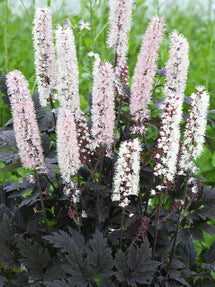
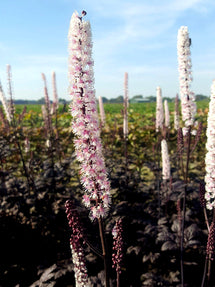
Actaea (Baneberry): dark foliage and fragrant spires for the autumn shade
Actaea, also known as bugbane, is one of the finest plants of all for the late shade garden. All season it holds a fountain of dramatic, deeply cut foliage in near black chocolate purple, and then, just as summer fades, it sends up tall, slender bottlebrush spires of sweetly scented flowers that carry on into autumn.
Actaea grows from a hardy perennial crown that you plant in spring. It loves the cool, moist shade where so much else struggles, draws late bees and butterflies with its fragrant flowers, and comes back bigger every year. For the very darkest leaves, Chocoholic is the one to choose.
Which actaea suits you?
 ChocoholicThe darkest foliage of all. Chocoholic builds a fountain of deep chocolate purple leaves, then sends up slender, fragrant bottlebrush spires of pink budded, mauve white flowers in early autumn. Wonderfully scented and loved by late bees.
 Pink SpikeTall and elegant. Pink Spike carries arching, pink flushed flower spikes high above very dark purple foliage, filling the late border with sweet scent just as summer fades. A striking back of border plant for shade.
Flowering and the gardening year
Plant the crowns in spring. The dark foliage holds all season, with fragrant flower spikes from late summer into autumn, when little else is in bloom.
Position and soil
Actaea is a woodland plant at heart, happiest in partial shade in a cool, rich soil that stays reliably moist. It will take a little more sun only where the ground never dries out.
Dig in plenty of compost or leaf mould before planting and keep it mulched. Hot, dry spots are the one thing to avoid, as they scorch the dark leaves and check the plant.
How to plant
- Plant the crowns in spring, in partial shade.
- Dig a generous hole and set the crown just below the surface.
- Spread the roots out, firm back the soil and water in well.
- Space plants about 60 cm apart; they form broad clumps in time.
- Mulch around the crown and keep the soil moist, especially while young.
Our tip: actaea is in no hurry, and it resents being moved, so choose its spot with care and then leave it alone to settle. It can take a couple of seasons to find its feet, but once established it bulks up into a magnificent, long lived clump that asks for almost nothing. Plant it near a path or doorway you use in the evening, because the real magic is the sweet fragrance of those autumn spires drifting on the cool air just when the rest of the garden has gone quiet.
DutchGrown, specialists in flower bulbs and perennials since 1882Year after year
Actaea is a hardy, long lived perennial. It dies back in winter and returns each spring, growing slowly into a larger, more imposing clump season by season. The same plant can stand in the same spot and improve for many years.
It dislikes disturbance, so there is no need to lift and divide it. If you do want more, carefully split an established clump in early spring and replant the pieces straight away.
Lovely with
Actaea belongs at the back of the shady border, among other woodland perennials. Its dark foliage looks superb above the bold leaves of Hostas and beside the airy plumes of Astilbe, which share its love of moist shade.
Just as fine with the silver spotted leaves of Lungwort at its feet and the dangling hearts of Bleeding Hearts earlier in the season.
Order now, plant in spring
You can order actaea now. We ship the crowns from March, in good time for spring planting, ready to settle in and flower in late summer.
Shipped fresh from the Netherlands, by a family business since 1882.
Frequently asked questions about actaea
When does actaea flower?
Actaea, or bugbane, flowers in late summer and into early autumn, usually from August into October, exactly when most of the garden is winding down. Its tall, fragrant bottlebrush spires bring fresh colour and scent to the shade just as other plants fade.
What makes actaea special?
Two things at once. All season it offers dramatic, deeply cut foliage in near black chocolate purple, among the darkest of any perennial, and then in late summer it crowns that with slender, sweetly scented flower spikes. Few plants give you both striking leaves and fragrant autumn flowers in shade.
What position does actaea need?
It is a shade and woodland plant at heart, happiest in partial shade in a cool, rich, reliably moist soil. It will take more sun only where the ground stays damp. Dry, hot spots are the thing to avoid, as they scorch the foliage and check its growth.
How tall does actaea grow?
Tall. The flower spikes reach around 100 to 150 cm, rising well above the mound of foliage, which makes actaea a fine plant for the middle or back of a shady border. A spot with some shelter keeps the tall spires from being battered by autumn wind.
Is actaea fragrant and good for pollinators?
Very much so. The flower spikes carry a strong, sweet fragrance that drifts on the air, and because they open so late they are a valuable source of nectar for bees and butterflies at a time when little else is in bloom. Plant it where you will pass by and enjoy the scent.
Is actaea hardy and perennial?
Yes, actaea is a fully hardy, long lived perennial. It dies back in winter and returns each spring, growing slowly into a bigger, better clump over the years. It resents disturbance, so choose its spot with care and then leave it in peace to establish.
Can I use actaea as a cut flower?
Yes. The tall, scented spires make unusual and elegant cut flowers, bringing both height and fragrance to an arrangement. Cut them when the lower flowers on the spike have just opened, for the longest vase life.
Is actaea toxic?
Yes. Actaea is also known as baneberry, which means poison berry, and the whole plant, above all the berries that can follow the flowers, is toxic if eaten. Keep it away from children and pets, and wash your hands after handling or cutting it.