


Geum (Avens)
Geums (Avens) are among the easiest and most generous of all perennials, sending up wiry stems of warm, cup shaped flowers in red, orange, tangerine, apricot and pink from late spring and often all summer. Hardy, unfussy and loved by early bees, they are perfect for the front of a sunny or lightly shaded border.
Showing 1 - 8 in 8 items
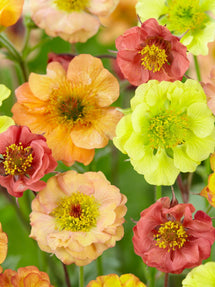
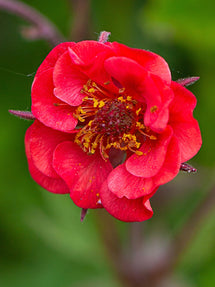
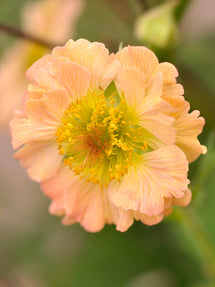
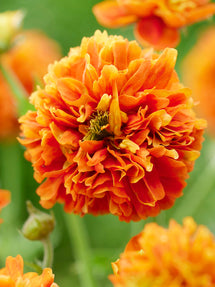
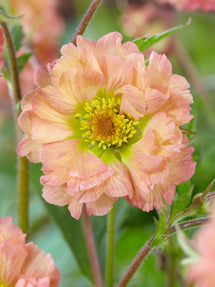
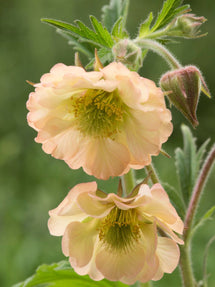
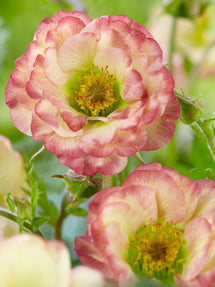
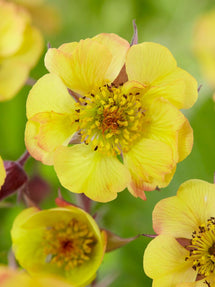
Geum (Avens): warm, cheerful flowers for the front of the border
Few perennials are as easy and as generous as the geum. From a neat clump of soft, rounded leaves it throws up wiry, branching stems topped with cup shaped flowers in the warmest of colours, glowing red, orange, tangerine, apricot and pink, from late spring and often right through summer.
Geums grow from a hardy perennial root that you plant in spring. They are happy in sun or light shade, flower for weeks on end, draw in the early bees, and ask for almost nothing in return. For the longest season of all, airy Totally Tangerine is a favourite.
Which geum suits you?
 Red and orangeHot, glowing colour. The semi double scarlet Flames of Passion nods its flowers over weeks on end, while bright Orange Pumpkin packs a neat clump with cheerful, pumpkin orange blooms. Both flower for ages and draw the bees.
 Tangerine and sunsetThe long flowering stars. Airy Totally Tangerine sends soft orange flowers dancing on tall, wiry stems for months, the two tone Tequila Sunrise glows orange and yellow, and Mai Tai blends warm apricot and peach.
 Apricot and pinkSoft and romantic. Apricot Pearl opens gentle, ruffled apricot flowers, and Cosmopolitan edges its creamy blooms with the prettiest pink, both lovely at the front of a cottage border.
 Cocktail Series MixA ready made blend. The Cocktail Series Mix gives you a cheerful spread of warm geum shades in one planting, for a long season of colour at the front of the border with no choosing to do.
Flowering and the gardening year
Plant the roots in spring, flowering from late spring through early summer. Keep them deadheaded and many carry on much longer, well into the season.
Position and soil
Geums are easy going and unfussy. Give them full sun to light shade in a fertile soil that stays moist but drains freely, and they will be perfectly happy at the front of a border, in a cottage scheme or in a pot.
The only things to avoid are ground that bakes bone dry in summer or sits cold and wet in winter. A little compost worked in before planting gets them off to a strong start.
How to plant
- Plant the roots in spring, in sun to light shade.
- Dig a hole and set the crown just below the surface.
- Spread the roots out, firm the soil back and water in well.
- Space plants about 30 to 40 cm apart for a neat drift.
- Keep the soil moist while they settle in through the first summer.
Our tip: the secret to getting months of flower out of a geum is simply to keep snipping. Deadhead the faded blooms regularly, before they set seed, and the plant keeps pushing out fresh buds instead, turning a few weeks of flower into a long, generous season. Then, every two or three years, lift and divide the clump in spring or autumn. Geums flower most freely when young and can tire with age, so this one easy job keeps them vigorous and gives you plenty of new plants into the bargain.
DutchGrown, specialists in flower bulbs and perennials since 1882Year after year
Geums are hardy, reliable perennials that return every spring from a clump of soft, semi evergreen leaves. They settle in quickly and flower freely, bringing early, long lasting colour to the front of the border year after year.
They do flower best while fairly young, so lift and divide the clumps every few years to keep them fresh and vigorous. It is the one simple thing that keeps a geum at its very best.
Lovely with
Geums belong at the front of the early summer cottage border, among other late spring and early summer flowers. They look charming beside stately Lupins and the huge, silken blooms of Oriental Poppies, which flower at the same time.
Just as fine threaded through low mounds of hardy Geranium and beside the elegant flowers of Iris, for a soft, informal early summer picture.
Order now, plant in spring
You can order geums now. We ship the roots from March, in good time for spring planting. Many flower in their first early summer.
Shipped fresh from the Netherlands, by a family business since 1882.
Frequently asked questions about geums
When do geums flower?
Geums are among the first perennials to really get going, flowering from late spring right through early summer, and often much longer. If you keep them deadheaded, many carry on for months, and the airy Totally Tangerine can flower almost all summer.
How do I get the longest flowering?
Deadhead regularly. Snipping off the faded flowers stops the plant setting seed and keeps it throwing out fresh buds, which is the secret to the long, generous season geums are loved for. A midseason tidy and a feed keeps them going even longer.
What position and soil do geums need?
Give them full sun to light shade in a fertile soil that stays moist but is not waterlogged. They are easy going and unfussy, happy at the front of a border, in a cottage garden or in a pot, as long as the ground does not bake bone dry or sit wet in winter.
How tall do geums grow?
Most are compact, forming neat clumps around 30 to 50 cm high, which makes them ideal for the front of a border. The exception is Totally Tangerine, which sends its flowers up on tall, see through stems closer to 90 cm, lovely for weaving among other plants.
Are geums hardy and perennial?
Yes, geums are fully hardy perennials that return every year, forming a clump of soft, semi evergreen leaves. They are reliable and long lived, though they do flower most freely when fairly young, so dividing them now and then keeps them at their best.
Do I need to divide them?
It helps. Geums can slowly exhaust themselves and flower less after a few years, so lifting and dividing the clump every two or three years, in spring or autumn, keeps them young, vigorous and free flowering, and gives you new plants for free.
Are geums good for pollinators?
Very. The open, nectar rich flowers are a favourite of early bees in particular, coming at a time when forage can be scarce, and the long flowering season means they feed pollinators for months. The dainty flowers are charming in a small posy too.
Are geums toxic?
Geums are one of the trouble free choices, generally regarded as non toxic and safe around children and pets. They are grown purely as ornamentals, and pose no particular concern in the garden.